
98% of large enterprises have an AI governance policy. Almost half have skipped it when a deployment got urgent. The research is clear on what separates governance that accelerates delivery from governance that just makes it late.

Governance Is an Engine, Not a Brake
#thought-leadership#bridge#governance#financial-services#ai

More Code, Fewer Releases: AI Moved Your Bottleneck to Testing
AI made writing code cheap. It did nothing for the review queue, the shared test environment, or the release calendar. In hybrid delivery shops, the extra code lands in testing, and it lands hard.
#thought-leadership#hybrid-delivery#financial-services#ai#testing#software-delivery

AI Trust Is Execution Discipline: Why Governance Has to Move Into the Workflow
AI trust is built through execution discipline: ownership, controls, evidence, auditability, human review, monitoring, and value measurement embedded directly into the work.
#thought-leadership#trusted-ai-execution#financial-services#ai#governance#agentic-ai#agent-operating-models

Who Pulls the Plug? Kill Switches, Sandboxes, and Runtime Enforcement for AI Agents
Late September 2026 made it official: telling an agent to stay in its lane was never a control. The enterprises that scale agents safely will be the ones that can stop them from the outside, quickly, and on purpose.
#thought-leadership#agent-operating-models#financial-services#ai#governance
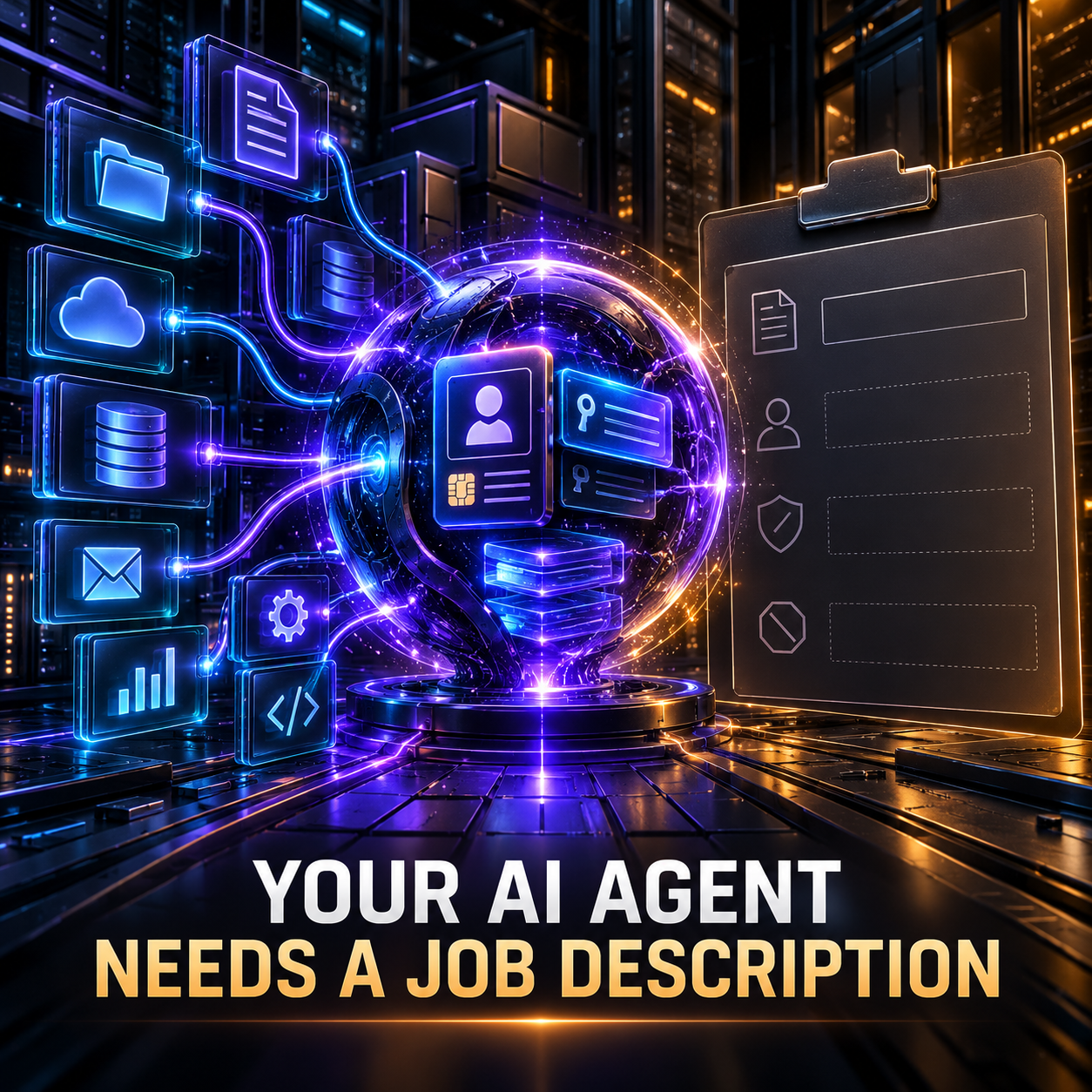
Your AI Agent Needs a Job Description
Enterprises are handing AI agents credentials, tools, and delegated authority before anyone defines the job. Identity tells you which agent acted. A job description determines whether it should have acted at all.
#thought-leadership#agent-operating-models#financial-services#ai#governance
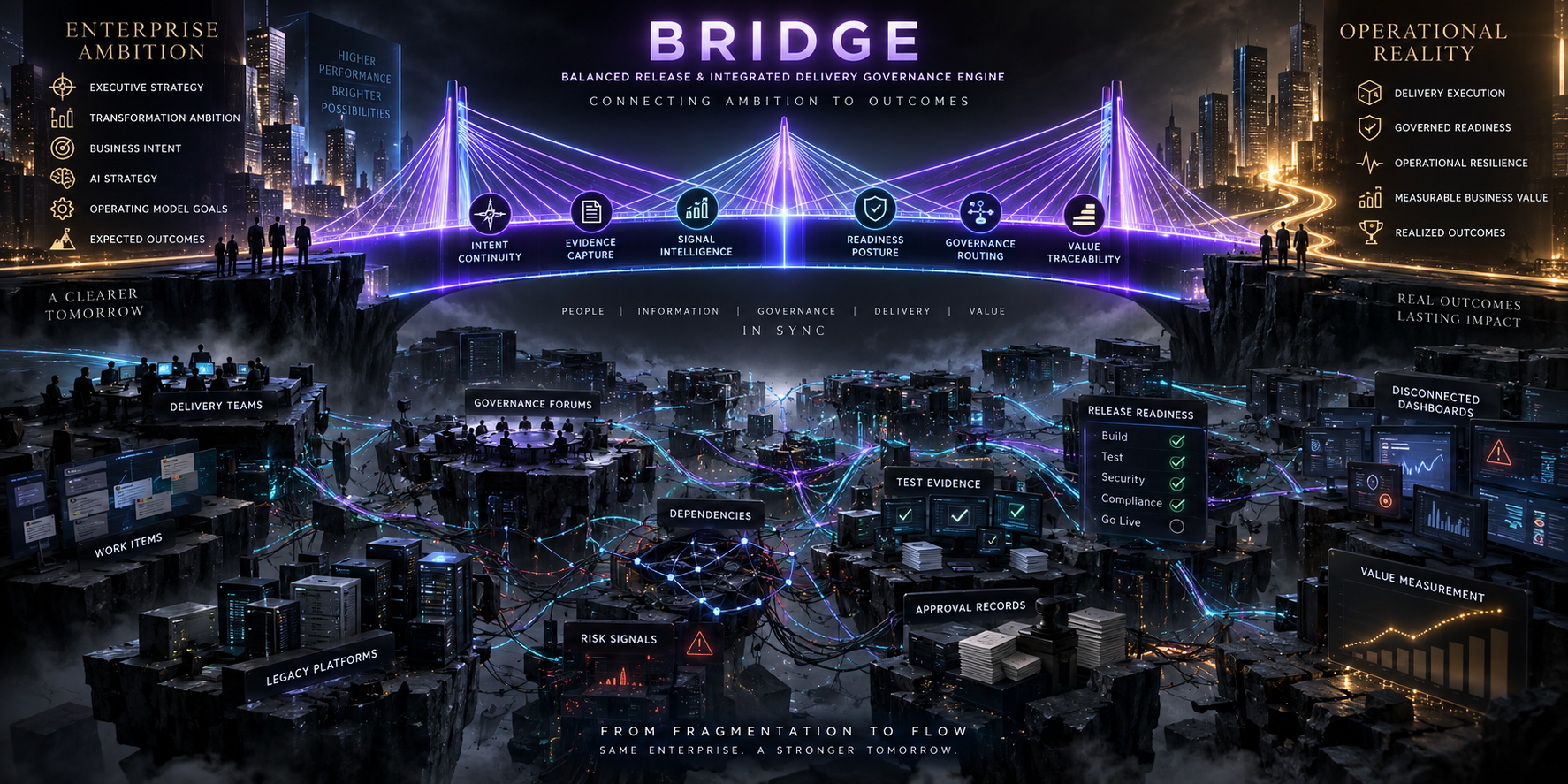
The Enterprise Doesn’t Need Another Framework. It Needs a BRIDGE.
Complex enterprises do not fail because they lack frameworks. They fail because strategy, execution, governance, evidence, signals, and value remain disconnected.
#thought-leadership#bridge#enterprise-transformation#ai#governance
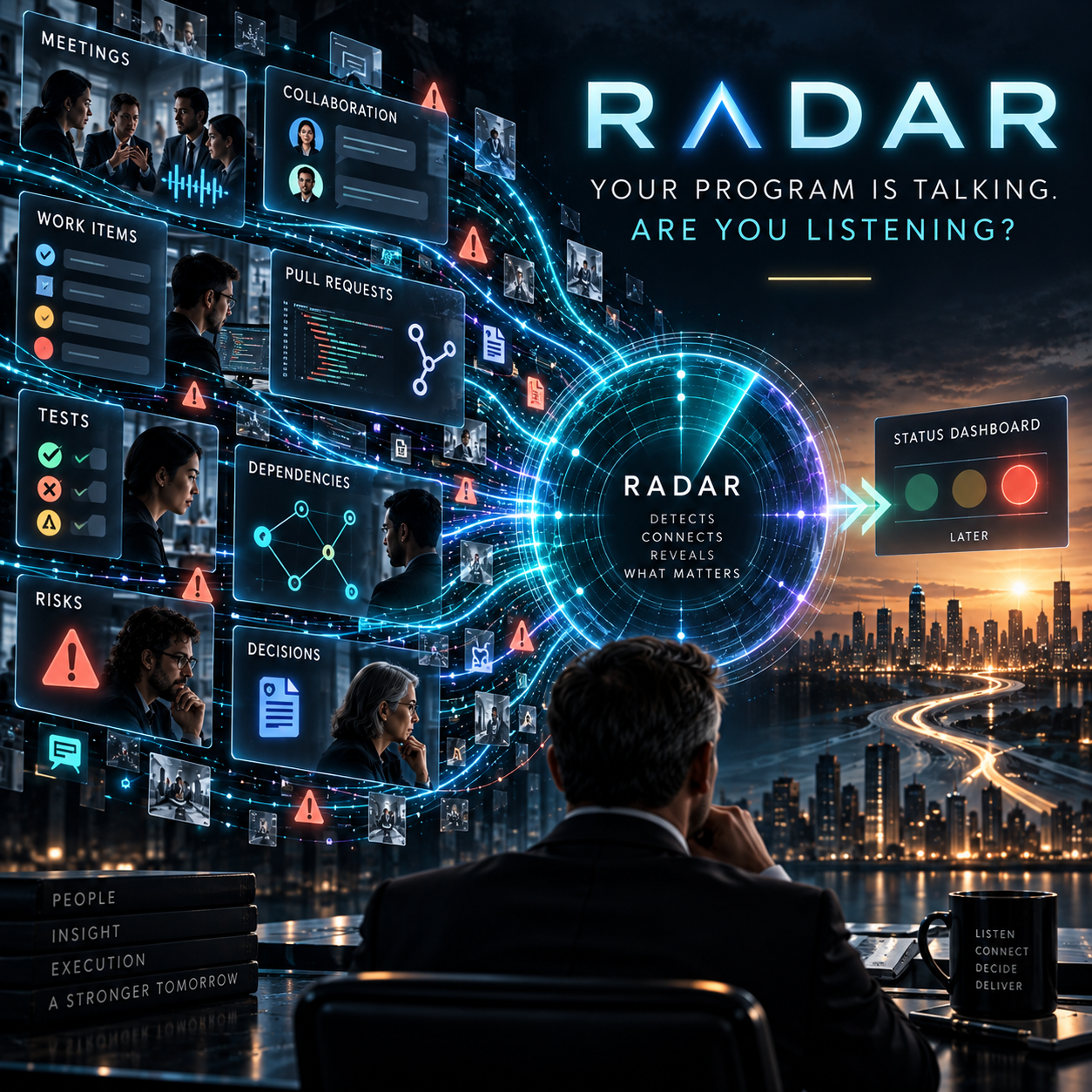
RADAR: Your Program Is Talking. Are You Listening?
Enterprise programs produce warning signals all day long. RADAR is a program intelligence concept for detecting, classifying, correlating, and escalating those signals before the status deck develops a sudden interest in reality.
#thought-leadership#program-intelligence#financial-services#ai#automation#bridge
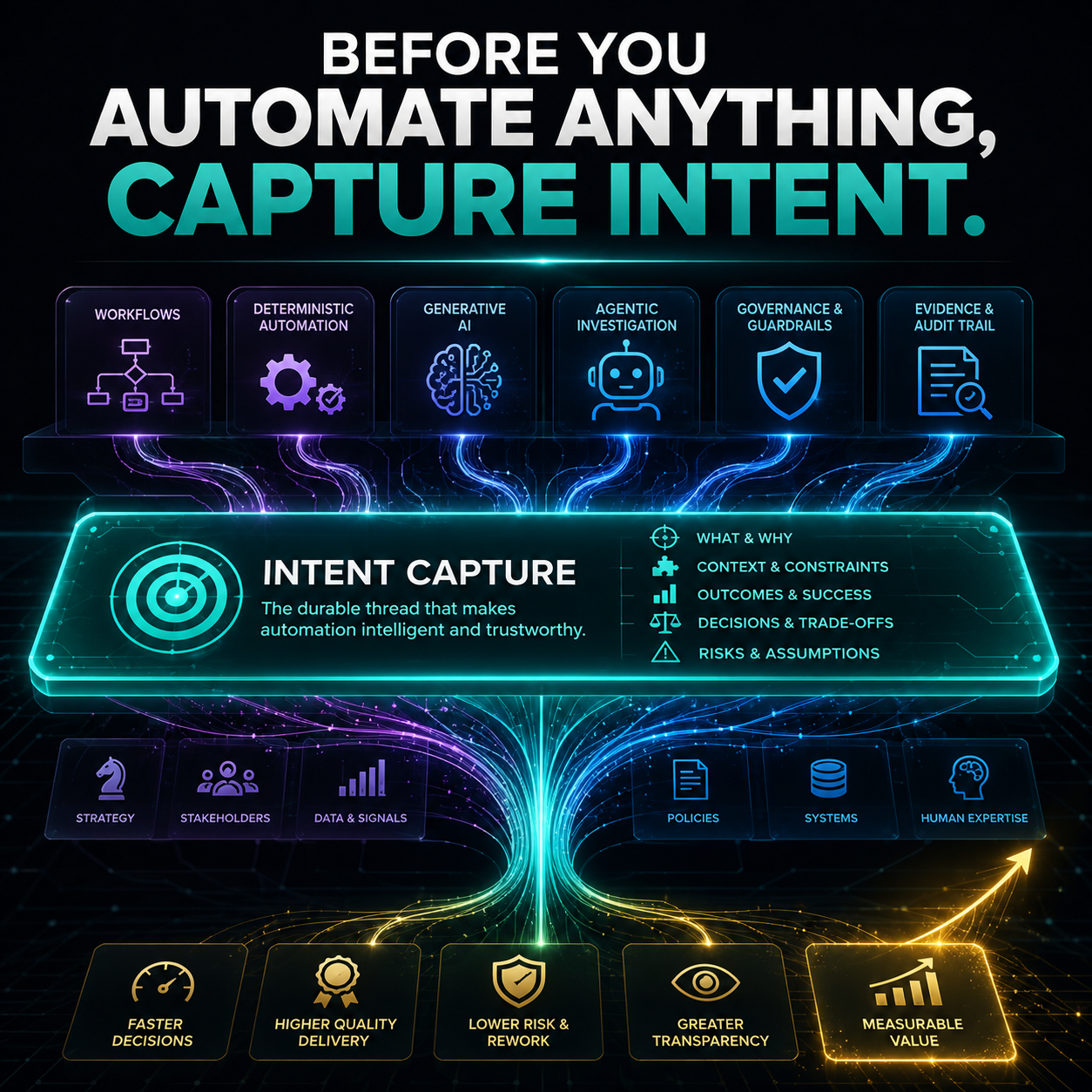
CLEAR: Before You Automate Anything, Capture Intent
Automation is dangerous when the enterprise forgets what the work was supposed to accomplish. Before agents, workflows, dashboards, governance, or reporting start optimizing activity, organizations need a disciplined way to capture intent.
#thought-leadership#bridge#clear#program-intelligence#automation#financial-services
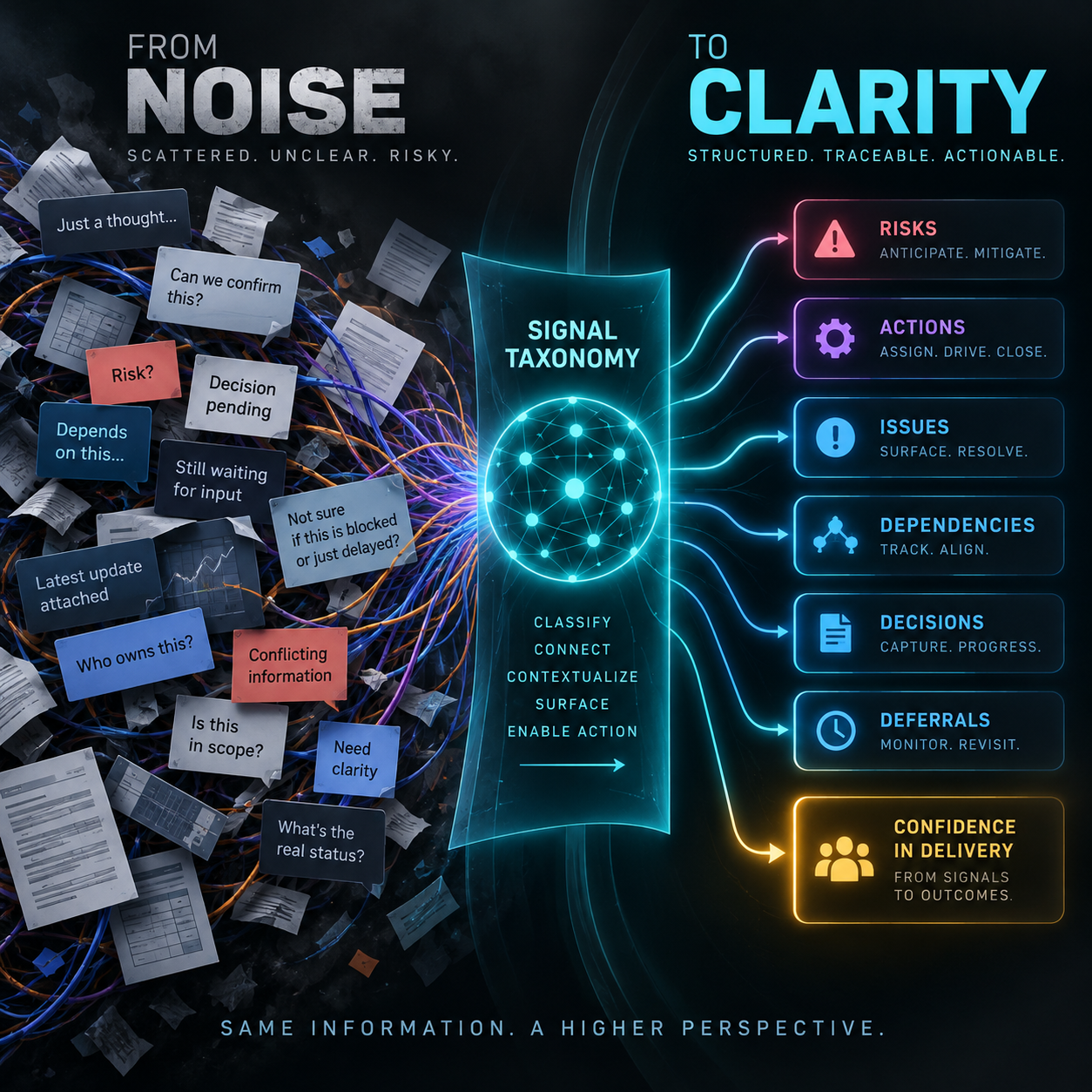
The Signal Taxonomy: A Classification Framework for Program Intelligence
Complex programs do not suffer from a shortage of information. They suffer from a classification problem. A shared signal taxonomy turns scattered delivery language into intelligence that people, analytics, automation, and AI can act on.
#thought-leadership#program-intelligence#financial-services#ai#governance
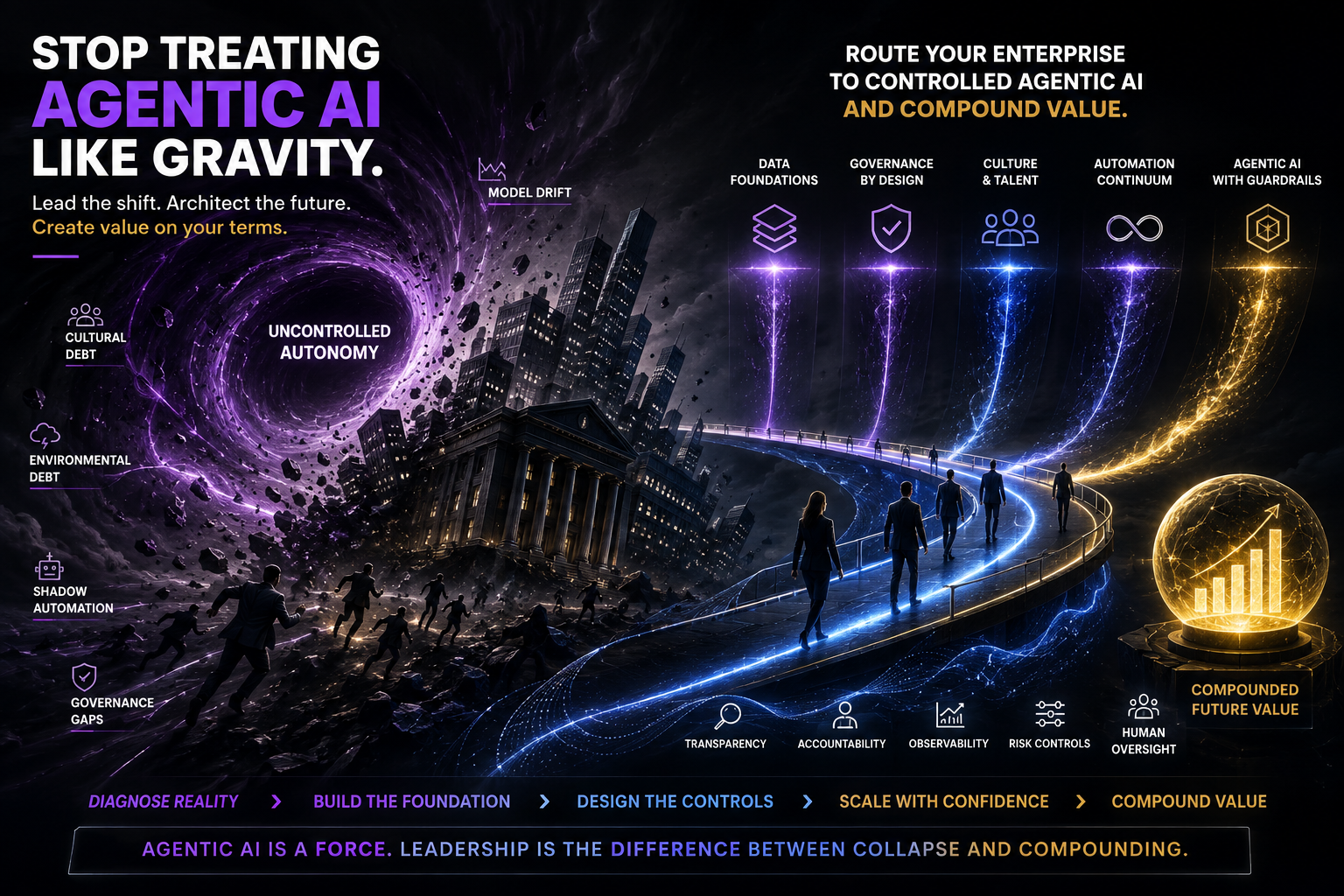
Stop Treating Agentic AI Like Gravity: Optimize for Future-Proofing, Not Speed-to-Agent
Agentic AI may matter a lot. That does not mean Financial Services should sprint toward maximum autonomy. The more responsible mandate is maximum future-proofing: better data, stronger governance, healthier culture, cleaner automation, and agentic capability only where the work earns it.
#thought-leadership#leadership#financial-services#ai#automation-continuum
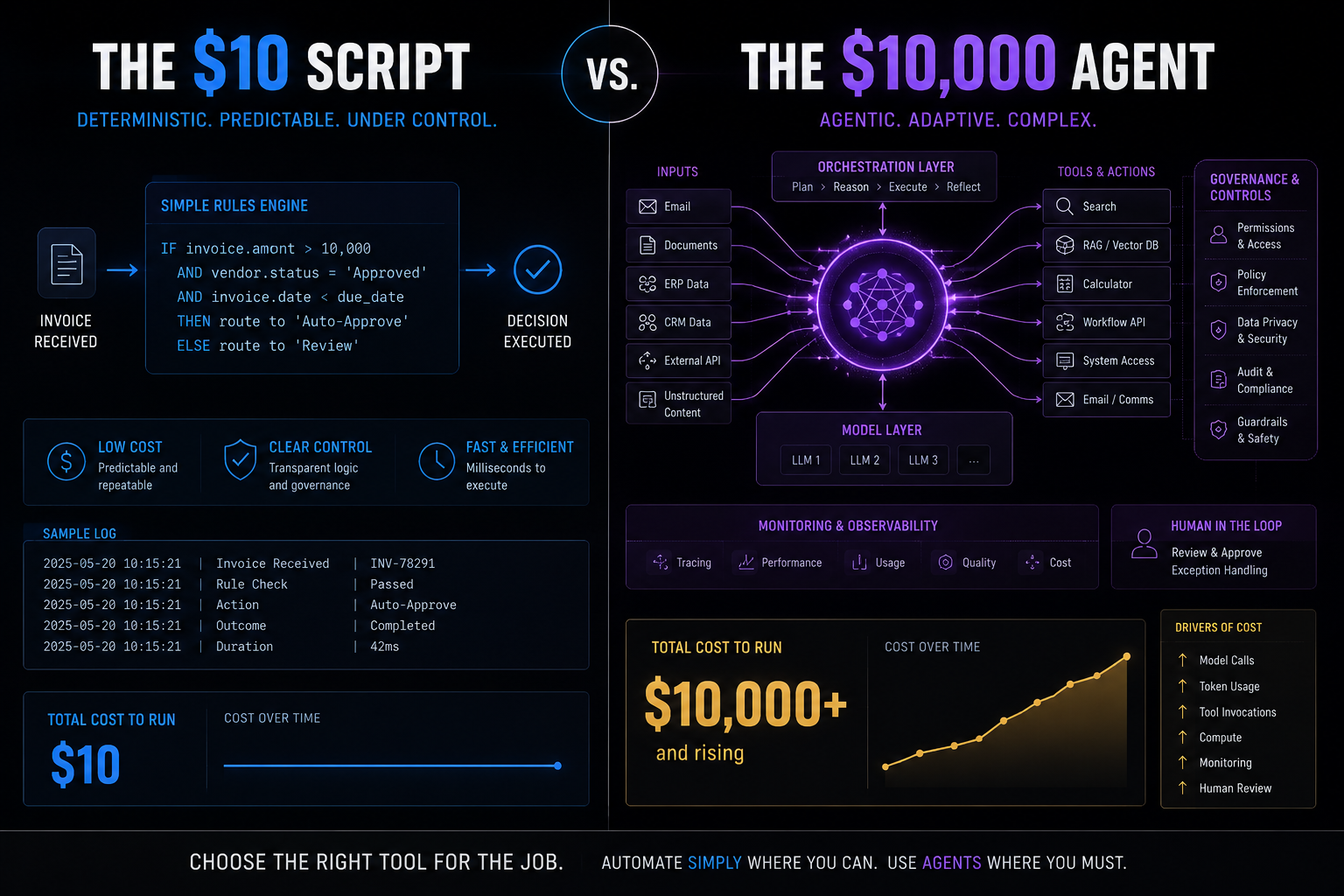
The $10 Script vs. the $10,000 Agent: A Decision Framework for Enterprise Automation
Agentic AI is powerful, but not every automation problem deserves an autonomous reasoning system with a cloud bill. Financial Services leaders need a practical way to route work across scripts, rules, workflows, generative AI, and agents.
#thought-leadership#automation-continuum#financial-services#ai#automation
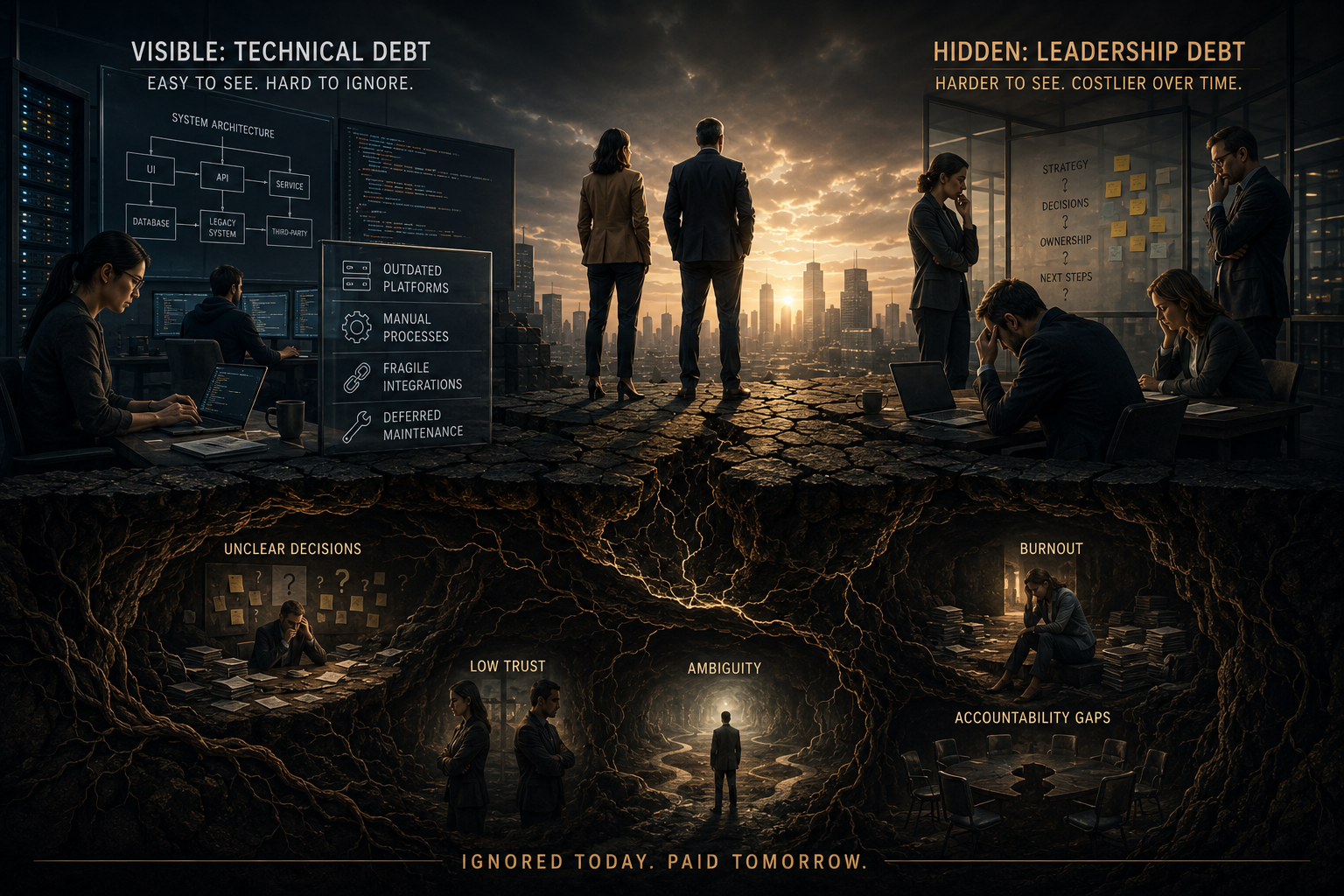
The Leadership Debt Always Comes Due
Transformation does not fail only because the architecture was messy or the roadmap was wrong. It fails because leaders accumulate debt in clarity, trust, accountability, empathy, and decision discipline. Eventually, the delivery system collects.
#thought-leadership#leadership#transformation#culture#future-of-work
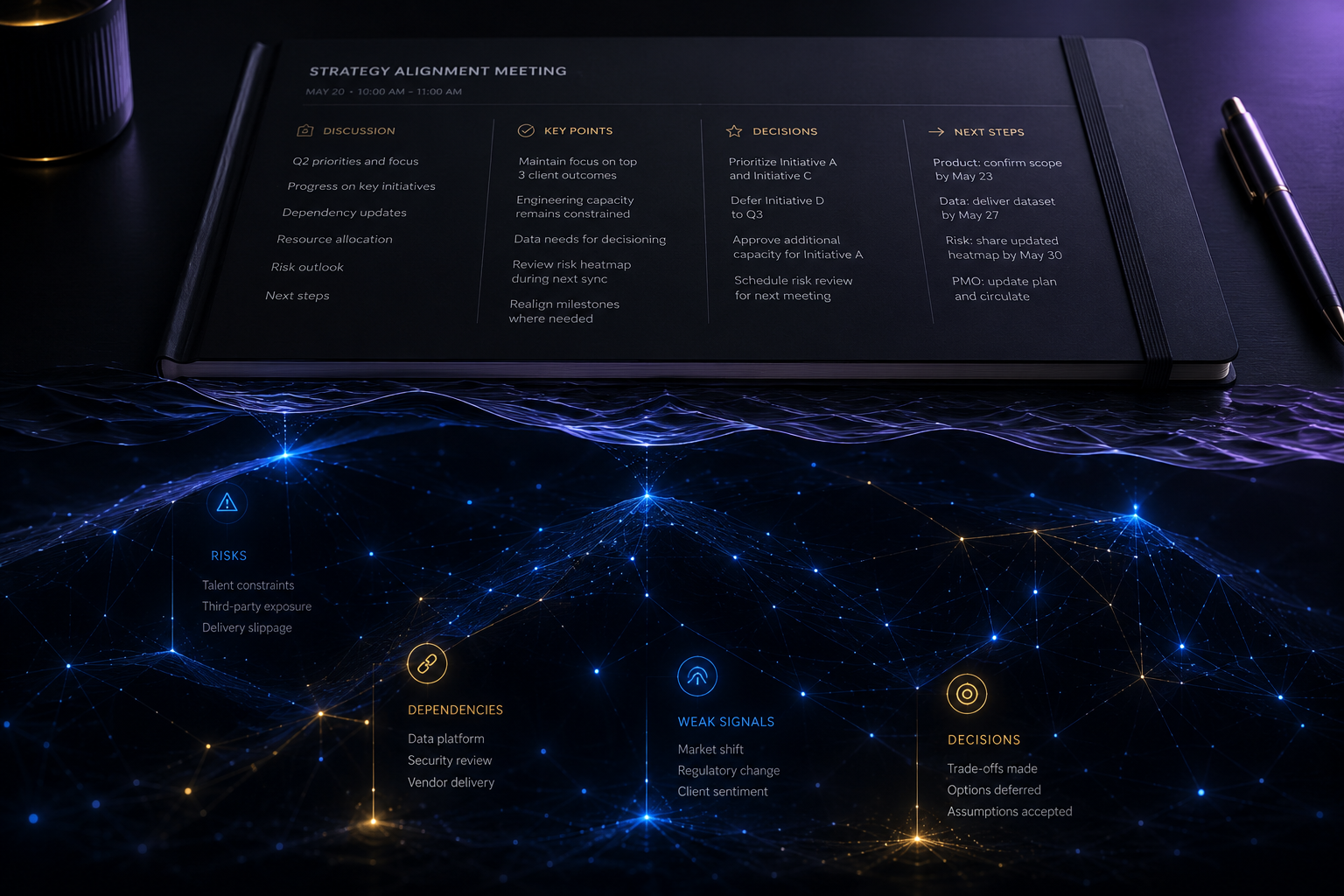
Beyond Meeting Notes: Why Enterprise Programs Need an Intelligence Engine
Enterprise programs do not fail because nobody took notes. They fail because critical signals are buried across meetings, tools, dashboards, dependencies, and decisions — and nobody can assemble the truth fast enough.
#thought-leadership#program-intelligence#financial-services#ai#automation
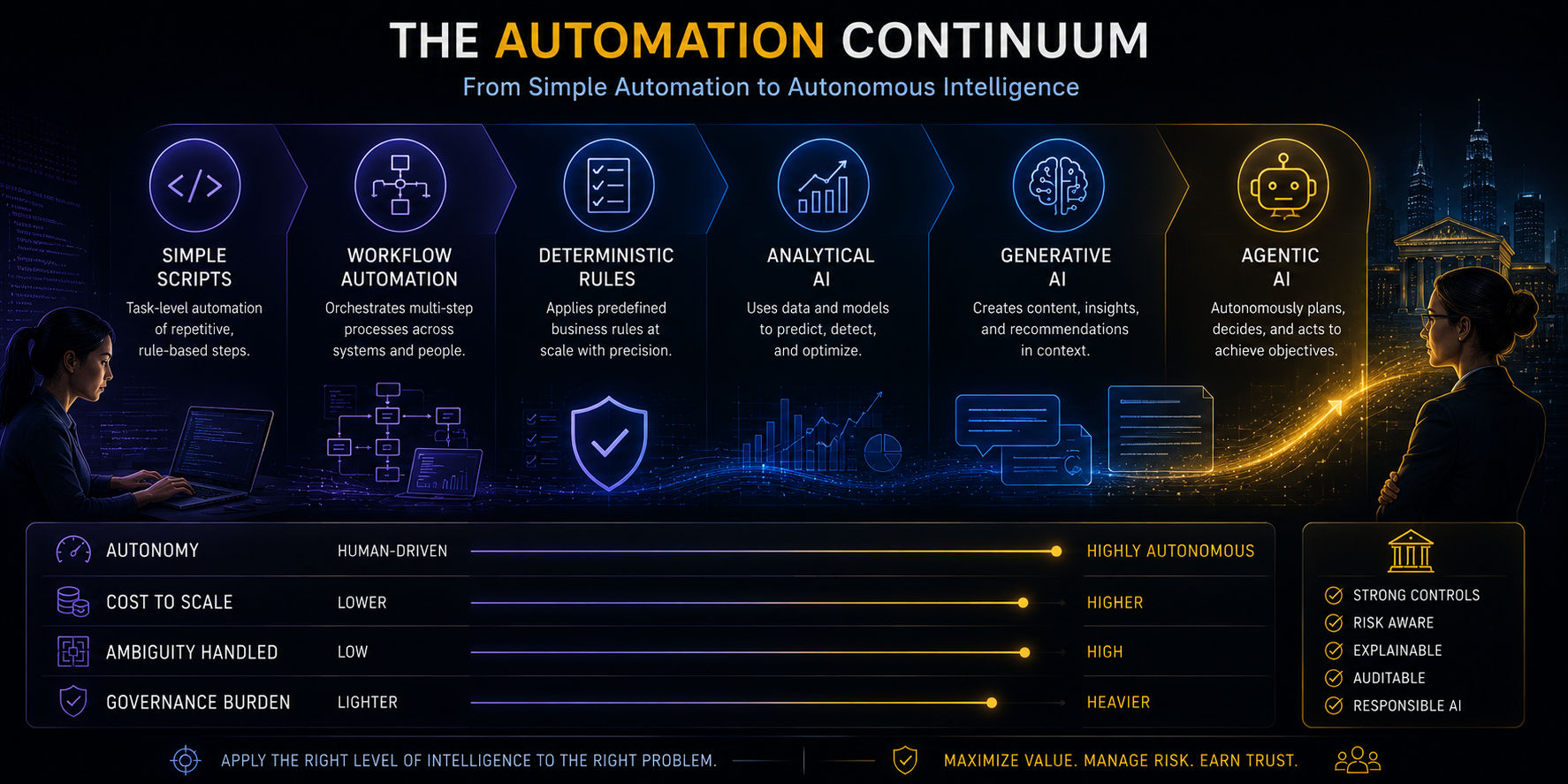
Stop Throwing Agents at Problems a Script Could Solve
Enterprises are racing toward agentic AI, but the smartest automation strategy is not agentic everything. It is matching each workload to the cheapest, safest, most auditable automation pattern that can actually do the job.
#thought-leadership#automation#ai#financial-services#enterprise-technology
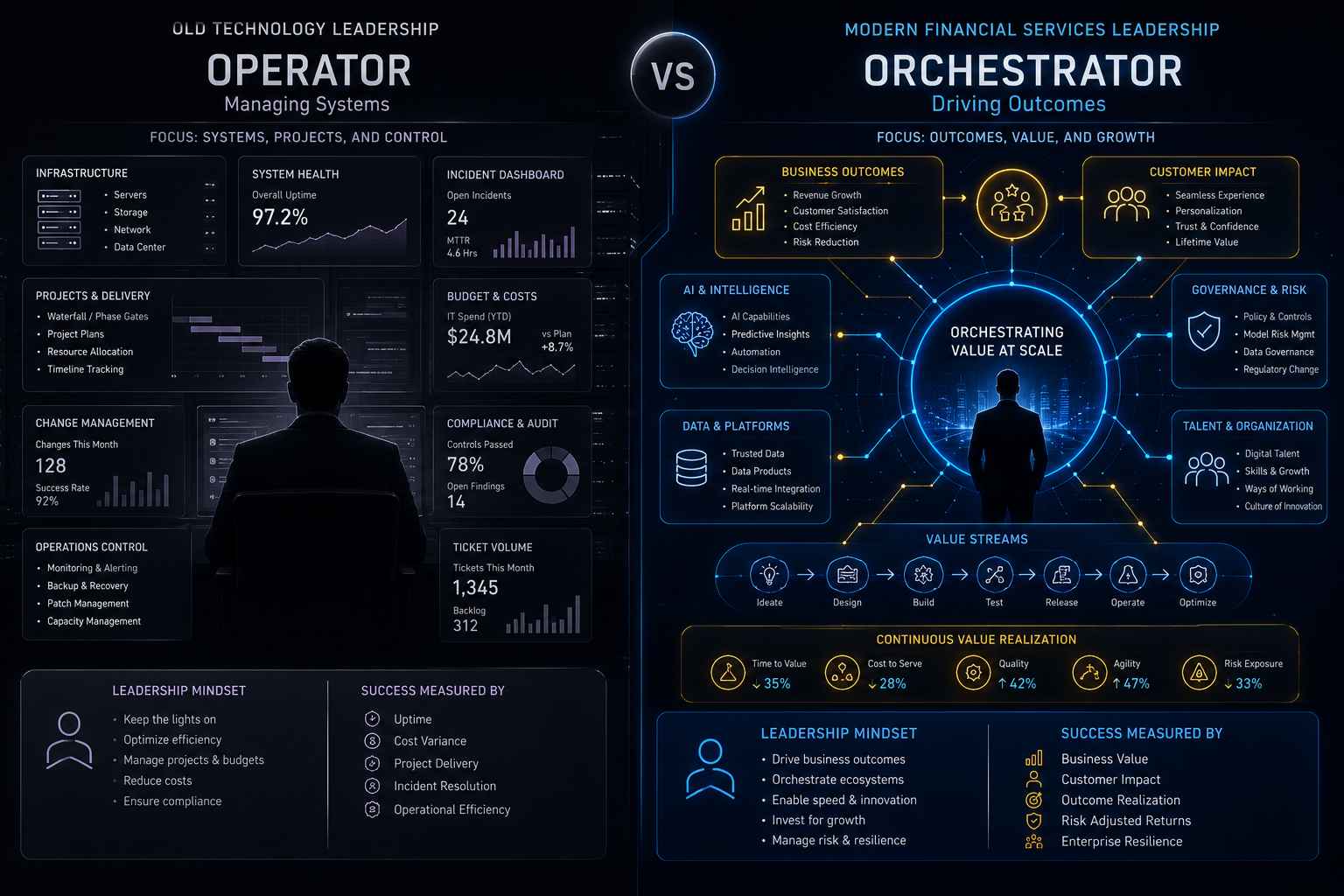
Orchestrators, Not Operators: What Financial Services Needs from Technology Leaders Right Now
Technology leadership in Financial Services has moved beyond running systems. In the AI-forward enterprise, leaders must orchestrate outcomes across strategy, delivery, governance, risk, data, talent, and value.
#thought-leadership#leadership#financial-services#ai#transformation
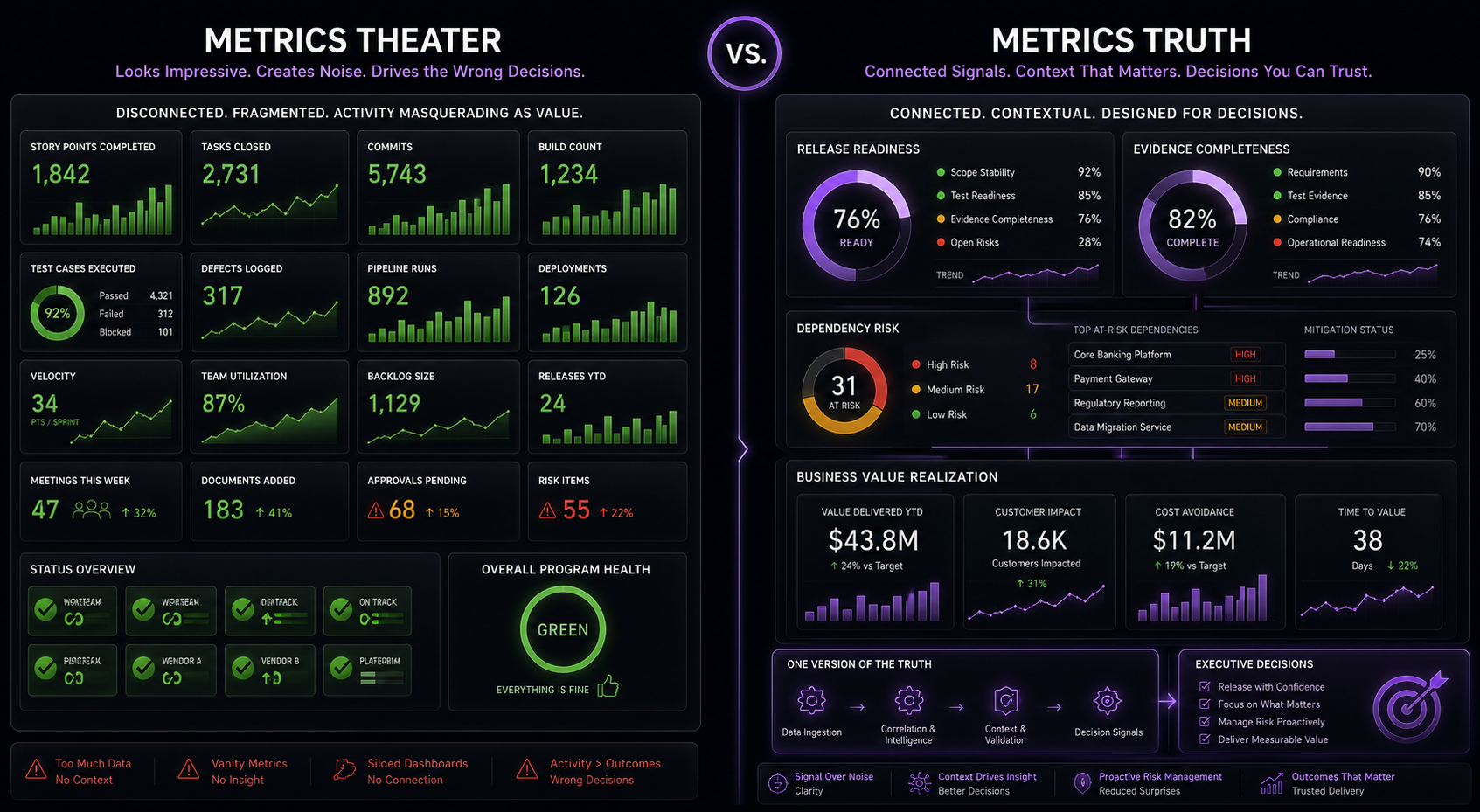
Metrics That Matter: Release Readiness, Business Value, and the End of Dashboard Theater

Governance Without the Monolith
Governance is not the enemy of hybrid delivery. Bad governance is. Regulated technology organizations need controls that increase confidence without crushing flow.
#thought-leadership#delivery#financial-services#governance#agile

Stop Blaming the Handoff — Your Delivery Model Is Broken
The handoff problem in hybrid delivery is not a communication problem. It is a system design failure — especially in Financial Services and other regulated industries.
#thought-leadership#delivery#financial-services#agile#governance
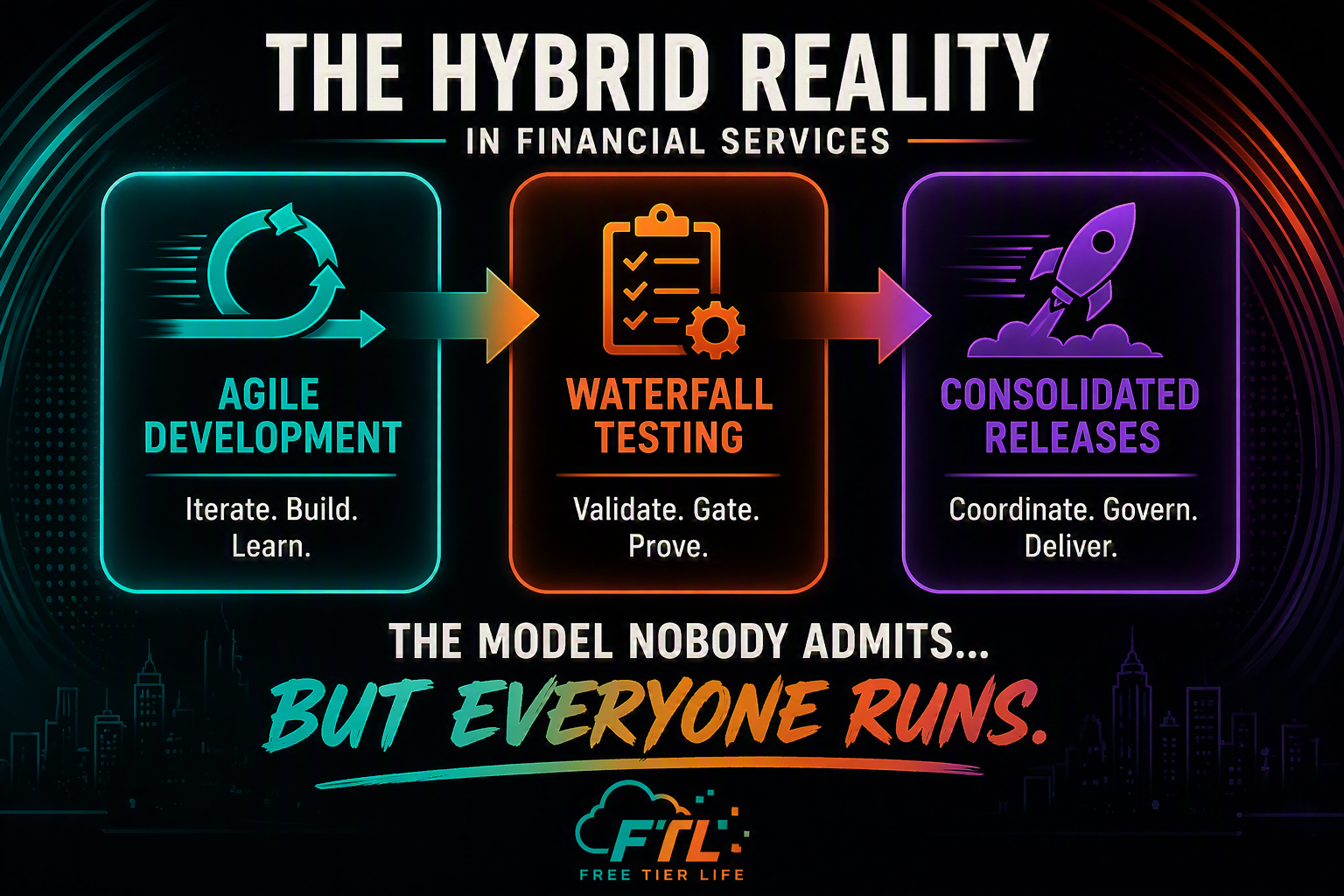
The Hybrid Reality
Why Financial Services will never be pure agile, why that is not a failure, and what a better hybrid operating model should look like.
#thought-leadership#delivery#financial-services#agile